
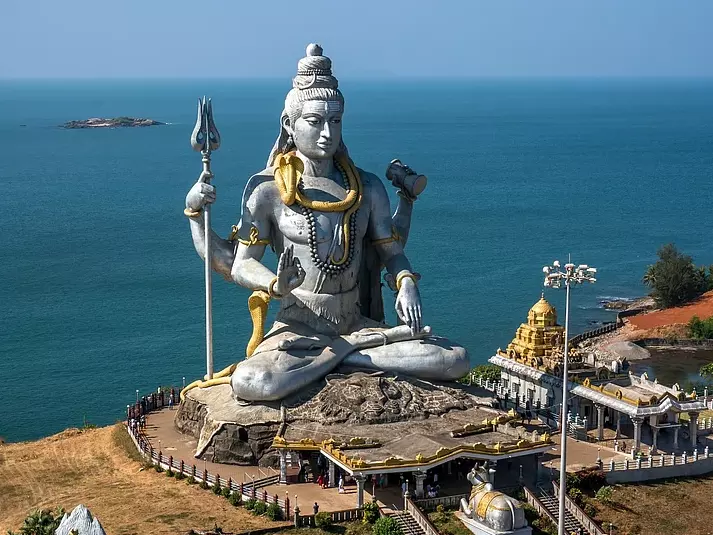
What is Maha Shivaratri?
Maha Shivaratri, literally the “Great Night of Shiva”, is one of the most important festivals in the Shaivite tradition. It falls in the Tamil months of Maasi (February–March) and marks:
- A night dedicated fully to Lord Shiva — devotees observe fasts, chant his name, perform special prayers and stay awake all night (known as jāgarana).
- It symbolises the overcoming of darkness and ignorance in one’s life and the gaining of spiritual insight, super-consciousness, and purity.
- Temples dedicated to Shiva light lamps, perform elaborate ritual baths (abhishekams), and invite devotees to partake in all-night vigils.
🏛 How it’s Observed in Tenkasi Region Temples
**Kasi Viswanathar Temple (Tenkasi Town)
- The temple is a major Shiva shrine in the region, and it explicitly lists Maha Shivaratri among its significant festivals.
- On this night the temple remains open late, often with special poojas and abhishekams (sacred baths). Devotees come in large numbers for the midnight ritual.
- The ambience includes lighting of lamps, offering of bilva leaves (traditional for Shiva), and the recitation of the Rudra (Shiva-hymn) by priests.
- Devotees may observe a full-day fast, visit the temple after evening, participate in the linga (Shiva-symbol) worship, then stay until late night or early morning.
**Kutrālanāthar Temple (Courtallam)
- This is another prominent Shiva temple in the region and its official festival list includes “Masi Matha Sivarathiri” — i.e., Maha Shivaratri in the month of Maasi.
- The night may include special lamps (deepa puja), devotional singing, and ritual observance of the deity in a calm, hillside/forest-adjacent setting (since Courtallam is near the Western Ghats).
- For pilgrims, combining the spiritual ritual with the scenic beauty of Courtallam’s waterfalls makes the observance more immersive.